A water well hand pump gives homeowners a manual way to access groundwater when an…
Chicken and turkey houses need reliable well water systems because birds depend on steady hydration throughout the day for feeding, digestion, growth, temperature regulation, and egg production. A properly designed well system from A&T Well and Pump's Raleigh well contractors provides consistent pressure and flow, while regular water testing and filtration can reduce contamination concerns that may affect flock health.
How Well Contractors Support Chicken and Turkey Houses in Raleigh
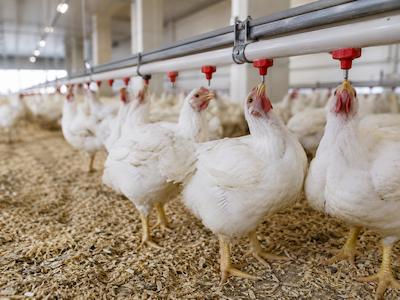
Running successful poultry operations requires more than feed, shelter, and proper housing. Agricultural spaces depend on steady access to clean water. For chicken and turkey houses in Raleigh, NC, well water systems are essential to the productivity and health of flocks.
At A&T Well and Pump, our well service and repair technicians design and maintain reliable water systems that support both large commercial poultry facilities and smaller operations, such as a backyard chicken coop or mobile chicken coop. With the right water well system in place, your birds access the water they need to thrive.
Why Chicken and Turkey Houses Depend on Reliable Well Water
For poultry farms in and around Raleigh, well contractors consider flock size, the number of houses, peak water demand, pressure requirements, storage capacity, and the distance water has to travel through the system. From large commercial water wells to a simple residential water well for a backyard chicken coop, well water ensures birds have steady access to hydration that supports growth, health, and egg production.
Clean Water for Poultry Health
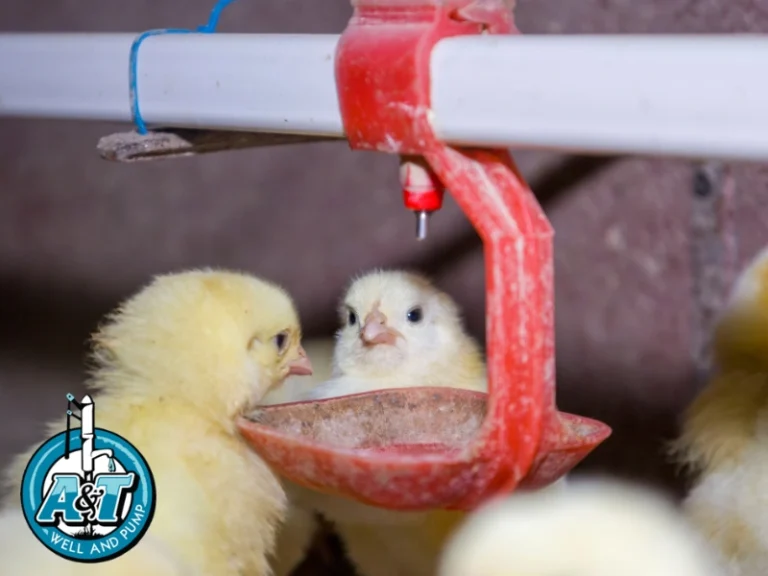
Providing water clean is one of the most important ways to protect a flock. Birds need hydration to process and digest food while staying resilient against illnesses. If water becomes contaminated, the entire group can face higher rates of disease and stress.
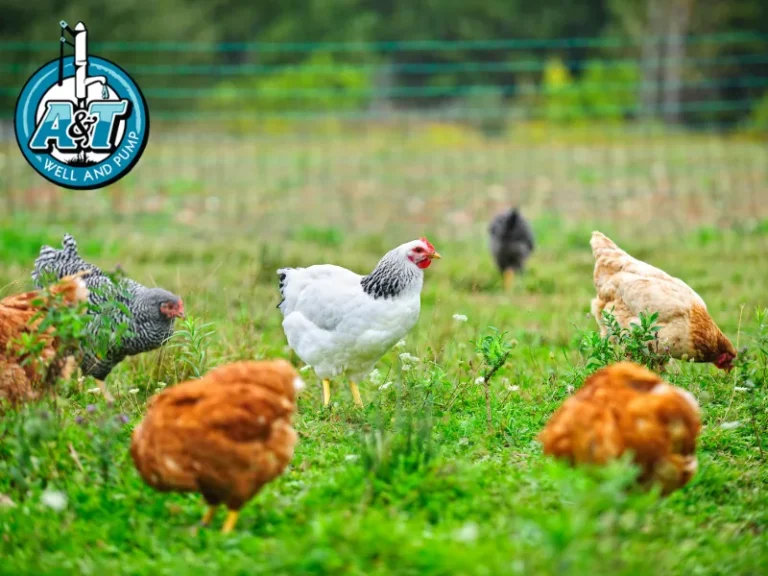
Meeting the High Demand of Large Flocks
In large chicken and turkey houses, thousands of birds drink continuously throughout the day. Proper well system design provides enough space in tanks, prevents shortages at the door of each coop, and keeps water pressure steady.
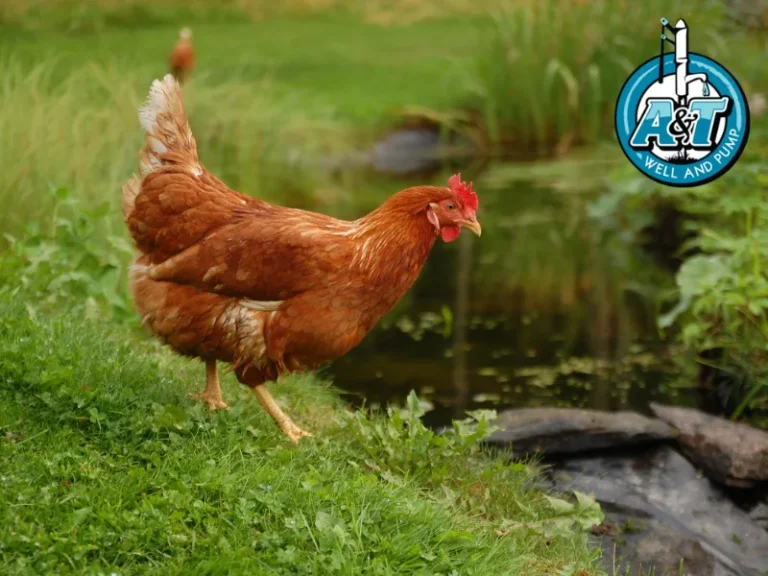
Overcoming Common Water System Challenges
Poultry farms face challenges like clogged lines, broken pumps, or water exposed to insects and predators on the ground. Addressing problems early helps create an efficient flow system that supports natural movement and lowers the risk of contamination.
How Raleigh Well Contractors Design Poultry Water Systems
There is no single pump-and-tank combination that fits every poultry farm. Our Raleigh well contractors need to look at how much water the operation actually uses and how that demand changes throughout the day.
A poultry well system may include a submersible well pump, pressure tank, controls, filtration equipment, storage, and water lines leading to one or several houses.
Matching the Well Pump to Farm Demand
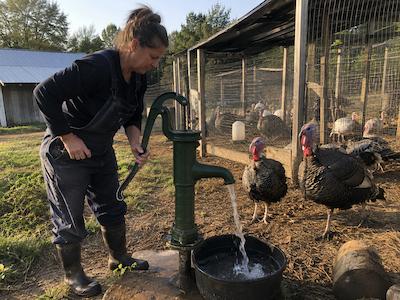
The well pump has to move enough water from the well to meet the property's needs at usable pressure. Pump selection can depend on the depth of the well, available well yield, total water demand, and the way water is distributed throughout the farm.
A well water pump that is too small may struggle when many waterers are operating at once. A pump that isn't properly matched to the pressure tank and controls may also cycle more frequently than it should, adding unnecessary wear.
Before recommending a larger pump, the well contractors at A&T Well and Pump will evaluate whether your pump is the problem or whether pressure settings, storage capacity, controls, or another part of the system needs attention.
Pressure Tanks and Constant Pressure Systems
Pressure tanks store water under pressure and reduce the number of times a well pump has to start and stop.
For larger poultry houses, the pressure system must be able to respond when demand changes throughout the day. A constant pressure system may be appropriate for farms that need steadier water pressure as multiple drinkers or buildings draw from the same well.
The right setup depends on the property rather than flock type alone.
Filtration Based on the Water
Water filtration should address an identified water problem. Sediment, mineral buildup, bacteria, and other concerns are not treated the same way. Testing well water first gives the property owner useful information about what is present and whether treatment is necessary. That avoids installing equipment that does not address the actual issue.
Common Poultry Well Problems to Watch For
A well system rarely has to stop working completely before it deserves attention. Changes in water pressure, pump operation, clarity, or flow can point to a developing problem.
Common warning signs include:
- Low or inconsistent water pressure
- Frequent pump cycling
- Cloudy or discolored water
- Sediment collecting in water lines
- Reduced flow at poultry waterers
- Water shortages during periods of heavy use
- Unusual sounds from the pump or pressure tank
On Raleigh agricultural properties, well contractors can inspect the pump, pressure tank, electrical controls, well production, and distribution system to narrow down the source.
Custom Designs for Raleigh Poultry Houses
Every farm is different, and so are the water needs of its flocks. At A&T Well and Pump, our Raleigh well contractors build custom systems that meet the demand of your agricultural property. We install submersible well pumps, constant pressure systems, and advanced filtration to keep water clean and safe.
Our designs ensure your property has adequate space for holding tanks, proper ventilation for system components, and a steady flow rate matched to your facility size. From a small chicken coop with feeders and waterers to a multi-house turkey farm, our team creates efficient plans to support your farm’s production goals.
Routine Maintenance for Chicken and Turkey House Wells
Poultry operations depend on water every day. Waiting until a pump fails completely can leave a farmer trying to solve a water problem while also caring for a house full of birds.
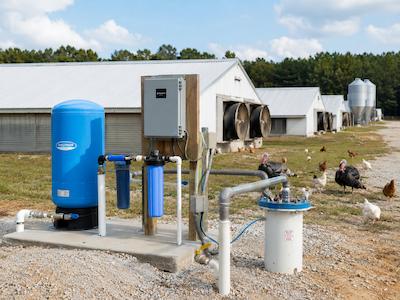
Routine maintenance gives well contractors an opportunity to check system pressure, pump behavior, tank performance, controls, water lines, and other components before smaller issues turn into a loss of service.
Maintenance may include checking pressure settings, looking for leaks, inspecting pump controls, monitoring pump cycling, flushing sediment where appropriate, and testing the water when there is a reason to suspect contamination or a change in water quality.
For larger Raleigh poultry farms, the right maintenance schedule can depend on system age, daily water use, previous repairs, and whether one well serves several chicken or turkey houses.
Emergency Well Pump Repairs for Poultry Farms
A failed pump or sudden pressure loss can become urgent when an entire poultry operation depends on the same well.
When water stops flowing, the problem may come from the pump itself, electrical controls, the pressure tank, the well, or the distribution system. Finding the actual cause is the first step. Simply replacing one component without diagnosing the system can leave the original problem unresolved.
A&T Well and Pump provides 24/7 emergency well repairs for urgent system failures. Prompt service from our Raleigh well contractors can reduce the amount of time chicken and turkey houses are left without normal water service.
Chicken and Turkey House Well System FAQs
How often should I test poultry house well water?
Testing at least once per year provides a useful baseline for well water quality. More frequent testing may be appropriate if the water changes in appearance or odor, contamination is suspected, or the well has been exposed to flooding or recent repair work.
What type of well pump is best for a turkey house?
Many poultry operations use submersible well pumps, but the right pump depends on your well’s depth, available yield, pressure requirements, and total water demand. Pump capacity should be matched to your farm rather than selected based whether the house contains chickens or turkeys.
Can I upgrade a well system to handle more birds?
Yes, provided the well itself can support the additional demand. An upgrade might involve the pump, pressure tank, controls, storage, filtration, or water distribution system.
What are signs that a poultry well system may be failing?
Low pressure, reduced water flow, frequent pump cycling, unusual noises, cloudy water, or shortages during periods of heavy use can all justify a closer inspection by a Raleigh well contractor.
Contact Our Raleigh Agricultural Well Contractors Today
A&T Well and Pump works with poultry properties and other well users throughout Raleigh and the surrounding area. From commercial water wells and pump service to water testing, system upgrades, and emergency repairs, our team will identify what your property needs and provide the best solutions to keep your farm’s water healthy and safe.
Call us today at (919) 980-0981 or fill out the our contact form to learn more.