
If a drought is stressing your area, use these simple steps that help you conserve…
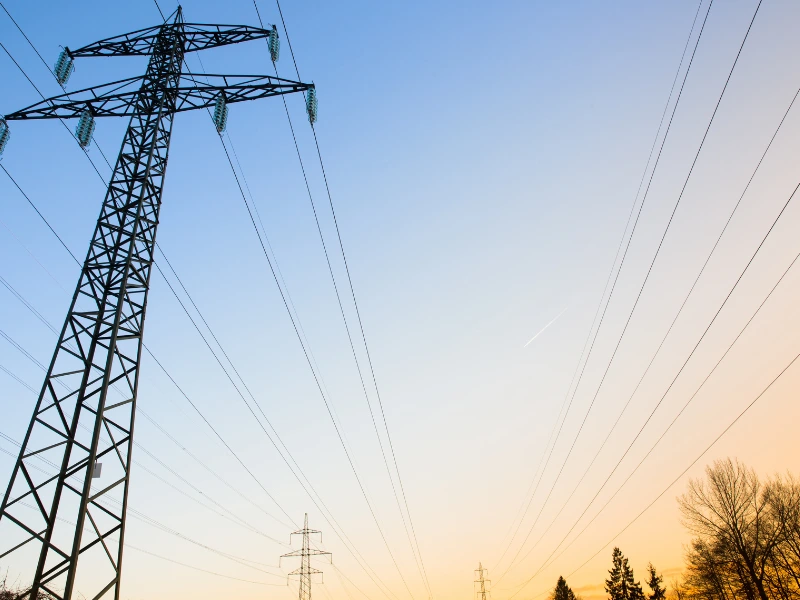
Power outages are a common concern for homeowners with a private well water—especially in North Carolina, where storms, hurricanes, and utility disruptions can knock out electricity with little notice. Because most well systems rely on electric pumps, losing power often means losing running water altogether.
Our residential well service professionals from A&T Well and Pump are exploring what happens to your well during an outage and how to prepare your well system so your household has reliable water when the lights go out.
Table of Contents
What Happens to Well Water During a Power Outage?
For many homeowners, the first sign of a power outage isn’t the lights going out—it’s the sudden realization that the water has stopped too. If your home relies on a private well, losing electricity often means losing access to running water. Understanding why this happens can help you respond calmly and plan ahead.
Electric Water Pumps Stop Operating
Private wells depend on an electric water well pump to move water from underground into your home. When the power goes out, the pump shuts off, so no new water can reach your plumbing. Once the water already in your system runs out, faucets, showers, and appliances will stop working.
Pressure Tank Storage Depletes
Your pressure tank stores a limited amount of pressurized water that may still be usable during a short power outage. The amount available depends on the size of the tank and how much water was stored at the time the power went out. Once that reserve is used, water flow will stop completely until power is restored or a backup solution is activated.
Immediate Steps to Take When the Power Goes Out
A power outage doesn’t give much warning, and when you rely on well water, the impact can be immediate. Knowing what to do right away can help protect your system, conserve water, and reduce stress until power is restored or a backup plan is in place.
Conserve Any Remaining Water
If your pressure tank still holds water, limit usage to essential needs only. Avoid running dishwashers, washing machines, or taking long showers. Conserving water helps extend the limited supply available until a backup solution or power restoration occurs.
Turn Off Non-Essential Water Fixtures
Shutting off unnecessary faucets and appliances prevents accidental drainage of your remaining water supply. This also reduces the risk of air entering the plumbing system, which can cause sputtering or water pressure issues once the pump comes back online.
Avoid Restarting the Pump Manually
Some homeowners attempt to reset breakers or force the system to run during times when they lose power. This can damage the pump or control components when power fluctuates. It is safer to wait until power is stable and fully restored or a proper backup system is in place to avoid costly well pump replacement or repairs that would otherwise not be needed.
Backup Power Options to Keep Your Well Running
For homeowners who want uninterrupted water access, these backup power solutions are the most effective short-term solution:
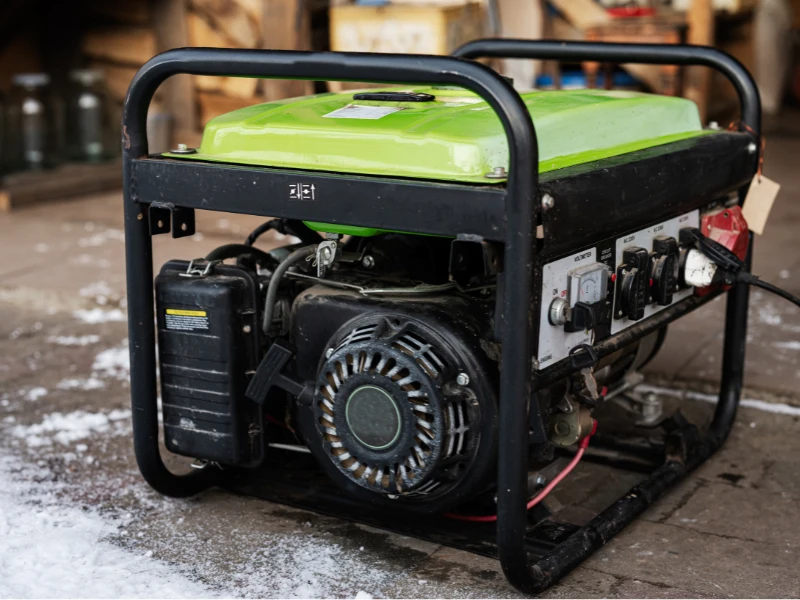
- Portable Generators: Portable generators can temporarily power a well pump during an outage.
- Standby Whole-Home Generators: Standby generators automatically restore power to your well pump and other essential systems, making them a reliable solution if you experience frequent outages.
- Dedicated Well Pump Backup Systems: Dedicated backup systems power only the well pump, offering a more affordable way to maintain water access without running the entire home.
Water Storage Solutions for Power Outages
Not every homeowner wants or needs a generator. These water storage options can provide a practical alternative for short-term outages:
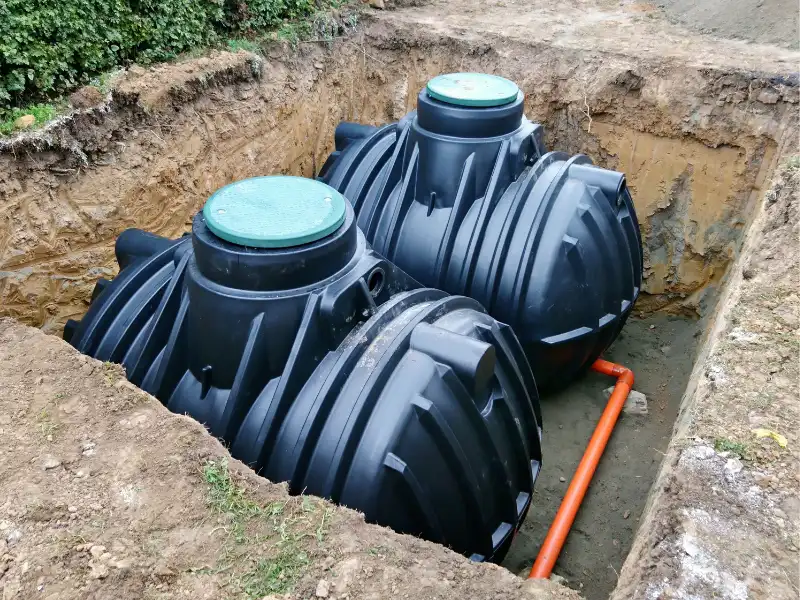
- Larger Pressure Tanks: A larger pressure tank holds more water in reserve, helping your household stay supplied for a short time when the power goes out.
- Dedicated Water Storage Tanks: Separate storage tanks can provide water during outages.
- Emergency Drinking Water Reserves: Keeping bottled or stored drinking water on hand ensures access to safe water during extended outages or system issues.
How to Protect Your Well System During Extended Outages
Longer power outages require additional care to avoid damage to your equipment and plumbing systems.
When to Call a Well Professional for Residential Well Service
Some power outage-related issues require professional evaluation of your private well system.
Repeated Loss of Pressure or No Water After Power Is Restored
If water does not return once power is restored, there may be an issue with the pump, pressure switch, or electrical components. Professional diagnostics can identify whether repairs or replacements are needed.
Generator or Backup System Integration
Connecting a generator or backup power source to a well system must be done correctly to avoid damage or safety risks. A licensed well professional can coordinate with electricians to ensure proper setup.
Planning Long-Term Outage Preparedness
If outages are becoming more frequent, a professional well inspection can help determine whether upgrades such as a new pump, pressure tank, or backup system make sense for your property.
Prepare Your Raleigh Well for Future Power Outages
The best time to plan for a power outage is before one happens. Regular inspections, system upgrades, and emergency planning can make a significant difference in comfort and safety of your home and water supply.
If you want to make sure your well system is prepared for outages—or need help restoring water after one—A&T Well and Pump provides professional well pump repair, installation, and system support throughout the Raleigh, NC area.
Contact us today by calling (919) 980-0981 or filling out our contact form below to get started.
Contact Form
We would love to hear from you! Please fill out this form and we will get back to you shortly.
"*" indicates required fields