Learn some useful trouble shooting tips that can help boost your water pressure if you're…
Most residential well pumps last about 8 to 15 years, although the lifespan can vary based on pump type, well depth, water quality, household demand, and how often the system cycles. Low pressure or no water does not always mean the pump has failed. A&T Well and Pump can perform a professional well inspection to determine if well pump repair or replacement is the right solution.
How Long Do Well Pumps Last in Raleigh?
A private well depends on several working parts, but the pump is the component that keeps water moving from the ground to your home. When pressure drops, faucets sputter, or the water stops altogether, homeowners understandably start asking the same question: how long do well pump last?
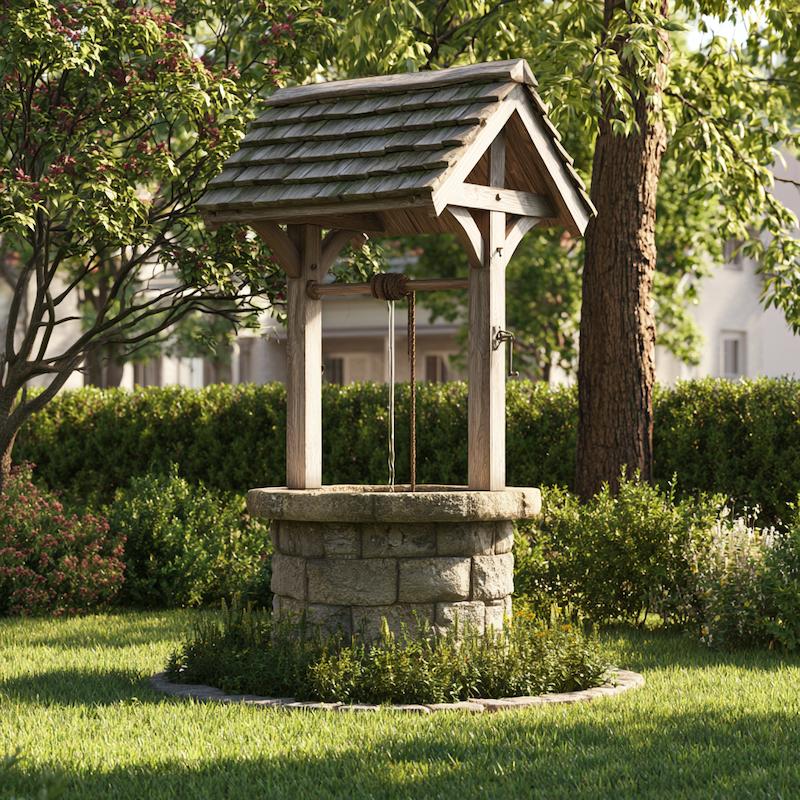
Most residential well pumps provide roughly 8 to 15 years of service, although some last longer and others fail sooner.
For homeowners in Raleigh and the surrounding Triangle area, the better question is whether the current issue calls for maintenance, well pump repair, or a full well pump replacement from a trusted well contractor.
What Can Shorten the Life of a Well Pump?
A well pump works in the background every time someone showers, runs a dishwasher, waters the lawn, does laundry, or fills a bathtub. A pump that cycles normally has time to rest between demand periods. A system that is constantly turning on and off does not.
Short Cycling Creates Extra Wear
Short cycling occurs when a well pump turns on and off too frequently. This repeated starting puts added strain on the motor and can shorten the life of the system.
Common signs and causes include:
- Water pressure that rises and falls quickly
- Lights dimming when the pump starts
- Clicking near the pressure tank or controls
- A waterlogged pressure tank
- Incorrect pressure tank air pressure
- A faulty pressure switch or leak
Sediment, Minerals, and Water Quality Issues
Sand, silt, iron, mineral scale, and other naturally occurring materials can restrict water flow, wear on well pump components, and create buildup throughout the water system. Changes in water quality should lead to professional water well testing, especially when they occur with pressure or flow problems.
Watch for:
- Visible sand, sediment, or cloudy water
- New staining around fixtures
- Reduced water pressure or flow
- Sputtering faucets
- A change in water taste or odor
- Filter cartridges that clog more quickly than usual
Electrical and Control Problems
A well pump relies on stable electrical service and working controls to operate correctly. A no-water issue can involve the well’s wiring, pressure switch, control box, or another component rather than the pump itself.
Possible electrical or control-related issues include:
- A tripped breaker
- Damaged wiring
- A failing control box
- A worn capacitor
- A faulty pressure switch
- Inconsistent pump operation or failure to start
High Household Demand
Larger households, irrigation systems, guest houses, livestock, and other high-demand uses can make a well system work harder. Proper pump sizing and water well pressure tank performance help the system keep up without unnecessary cycling.
Factors that can affect pump demand include:
- More people using water in the home
- Lawn irrigation or outdoor water use
- Multiple bathrooms or large fixtures
- Guest homes or accessory dwelling units
- Livestock or agricultural water needs
- A pump that is undersized or oversized for the property
How Long Do Well Pumps Last Before Needing Repair or Replacement?
Most residential well pumps last between 8 to 15 years, but the right time for well pump repair or replacement depends on more than age alone. Pump type, water demand, short cycling, water quality, electrical conditions, and the condition of related equipment can all affect how long the system remains dependable.
When a Well Pump Repair is the Best Solution

A well pump repair makes sense when the pump itself is still performing properly and the problem is isolated to another component. This may include a failed pressure switch, worn control component, pressure tank issue, damaged fitting, leaking connection, or electrical fault.
Well pump repair is also worth considering when the system has otherwise been reliable and the equipment is not near the end of its expected service life. The goal is not to replace parts unnecessarily. It is to restore stable water service with the solution that addresses the actual issue.
When Well Pump Replacement is the Better Option
Signs you may need a full well pump replacement is when the pump has failed mechanically, has a history of recurring problems, is near or past its normal service range, or no longer provides reliable pressure and flow.
A full well pump replacement can offer an opportunity to inspect the drop pipe, wiring, check valve, pressure tank, and other controls that influence the well’s long term perfromance. If one component has failed after years of use, related parts may also show wear. Reviewing the system together can help avoid a second service call shortly after the first repair.
Steps That Help Protect Your Well Pump’s Longevity
Well pump maintenance cannot prevent every pump failure, especially when a motor or electrical component reaches the end of its service life. Our well pump troubleshooting tips can, however, help identify pressure problems, leaks, water-quality changes, and other conditions that contribute to unnecessary wear.
Schedule Regular Well and Water Checks
Private well owners are responsible for monitoring their own water supply. Private wells are not routinely treated or monitored like public water systems, making regular well water testing and well inspections especially important.
A practical maintenance schedule includes:
- Testing well water at least once a year through a state-certified laboratory
- Checking the well cap, visible casing, and area around the well for damage or standing water
- Watching for changes in water pressure, flow, color, taste, or odor
- Replacing water-treatment filters according to the manufacturer’s schedule
- Having a professional inspect recurring short cycling, leaks, unusual noises, or pressure changes
Keep Records of Service and Testing
Keep well records, water-test results, pump information, and well pump repair invoices in one place. These documents can help a technician understand the age of the equipment, prior repairs, water-quality history, and construction details of the system.
Records are also useful when selling a home or comparing whether a repair is still practical. Knowing that a pressure tank was replaced two years ago, for example, can help narrow down the source of a new pressure issue.
Respond Early to Small Changes
A small pressure fluctuation can be easy to overlook until it turns into a complete no-water situation. The same is true of a pump that starts more frequently than normal or a faucet that occasionally spits air.
Calling for a Raleigh well service while the water is still running can give homeowners more time to understand the problem and review the available options. It also reduces the chance of a sudden outage disrupting showers, laundry, cooking, toilets, and other daily routines.
Schedule a Residential Well Pump Service in Raleigh
When a well pump begins acting differently, waiting for a complete outage is rarely the easiest option. A professional inspection can identify whether a repairable component is causing the problem or whether it is time to discuss a replacement.
A&T Well and Pump provides professional well pump repair, well pump replacement, well-system diagnostics, and well water testing for homeowners throughout Raleigh, Garner, Wake Forest, Clayton, Durham, Knightdale, Fuquay-Varina, and surrounding Triangle communities.
Call (919) 980-0981 to schedule service or request help with your residential well system today.